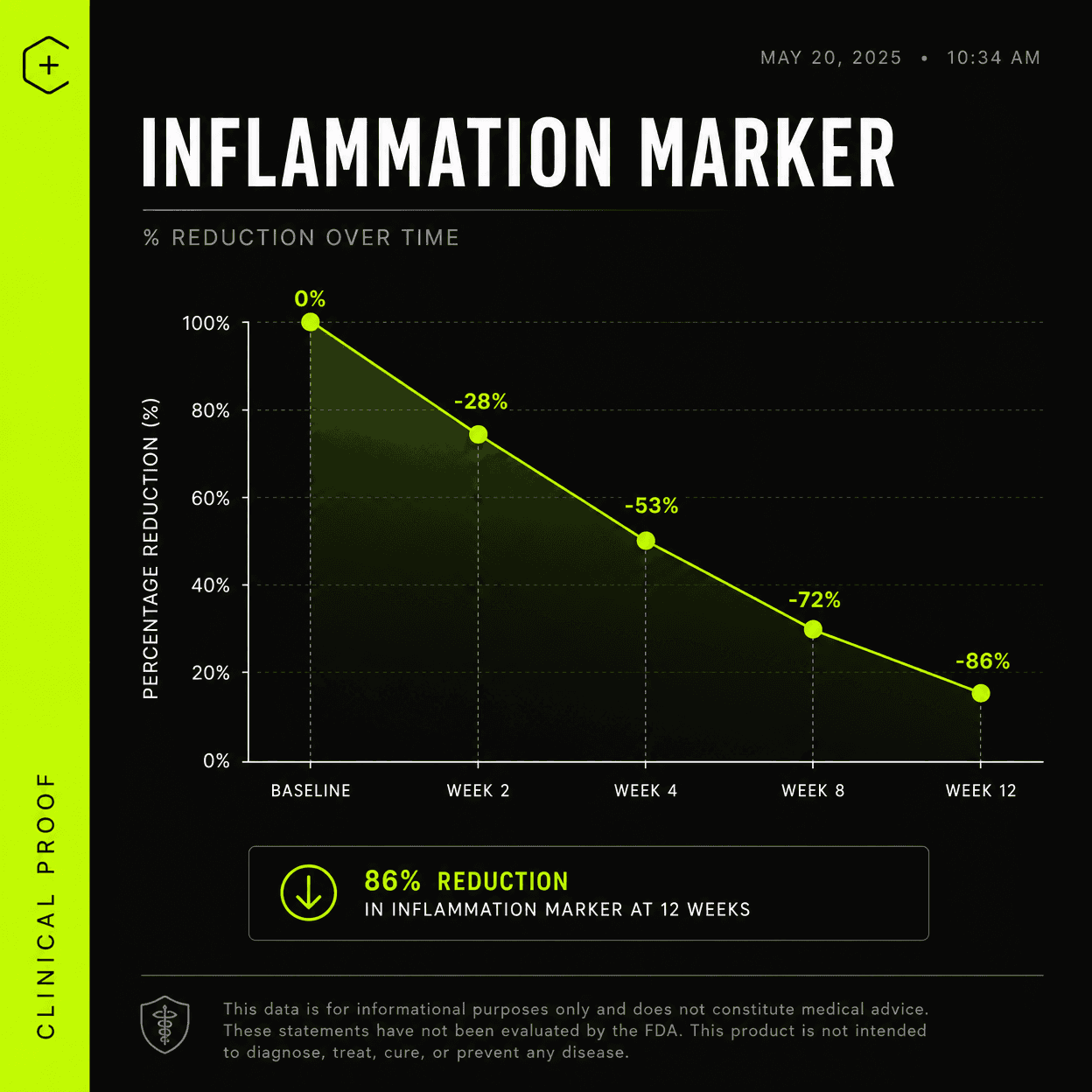


The exposure timeline
Four years in a water-damaged home became part of my case history. It did not explain everything by itself.
Complex illness, mapped
Map the environmental, immune, autonomic, and structural signals that standard visits keep separating.

The working model
CIRS is the organizing lens, not a shortcut diagnosis. Overlapping conditions still need their own evidence and clinical workup.
Personal evidence
My records are labeled n=1, never universal proof.
Primary sources
Claims are linked to the literature and corrected when needed.
Clinical boundary
Education stops where diagnosis and treatment begin.
The overlap is real. The causal story is still evolving. Dose of Proof keeps those two statements separate.
MCAS, POTS, dysautonomia, and hEDS can coexist or share symptoms. Current evidence does not establish that they universally sit beneath CIRS or arise from one mechanism.
The point is not to make my case your diagnosis. It is to show what disciplined investigation looks like.
Read My StoryFour years in a water-damaged home became part of my case history. It did not explain everything by itself.
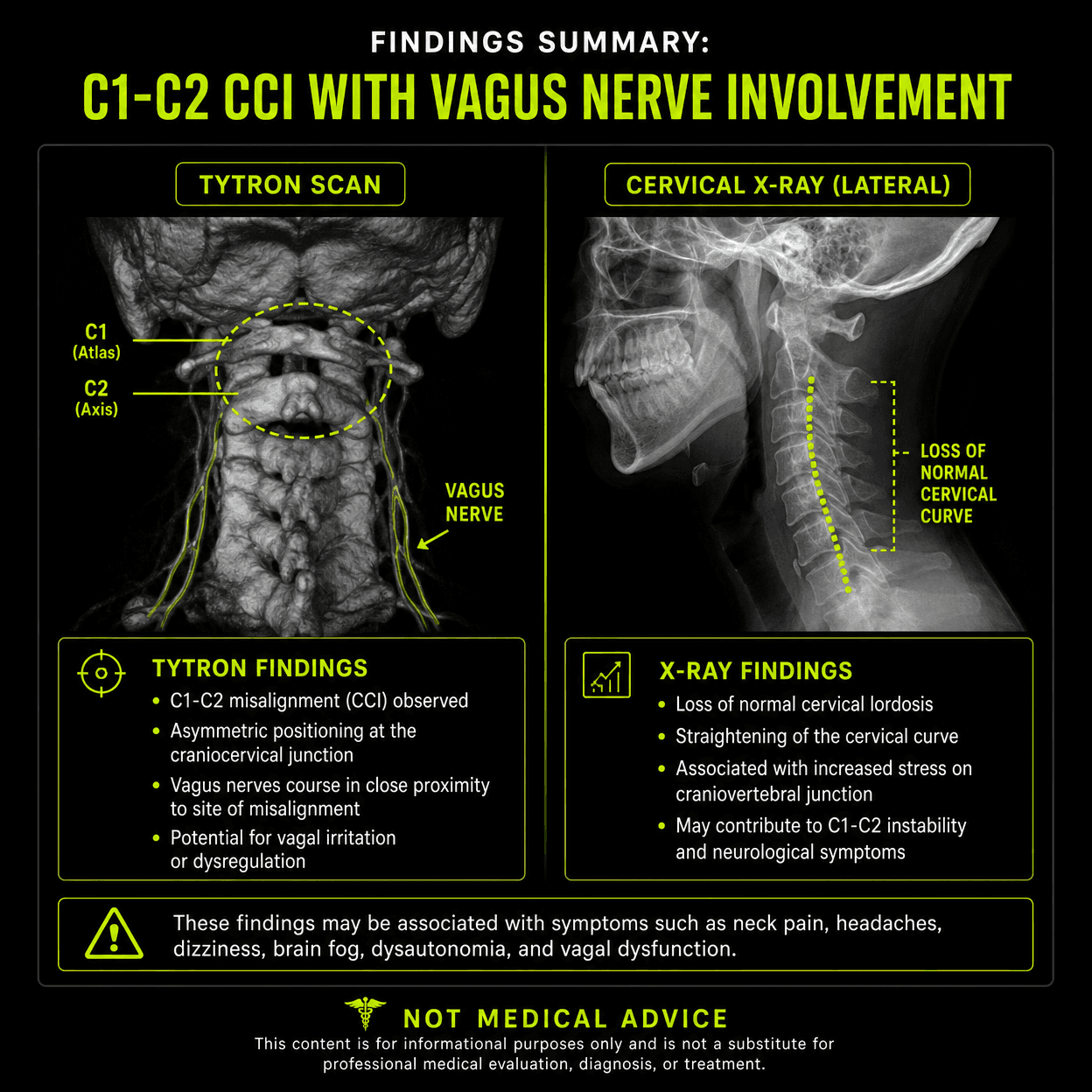
Cervical imaging and paraspinal thermography added a mechanical layer that basic blood work could not show.
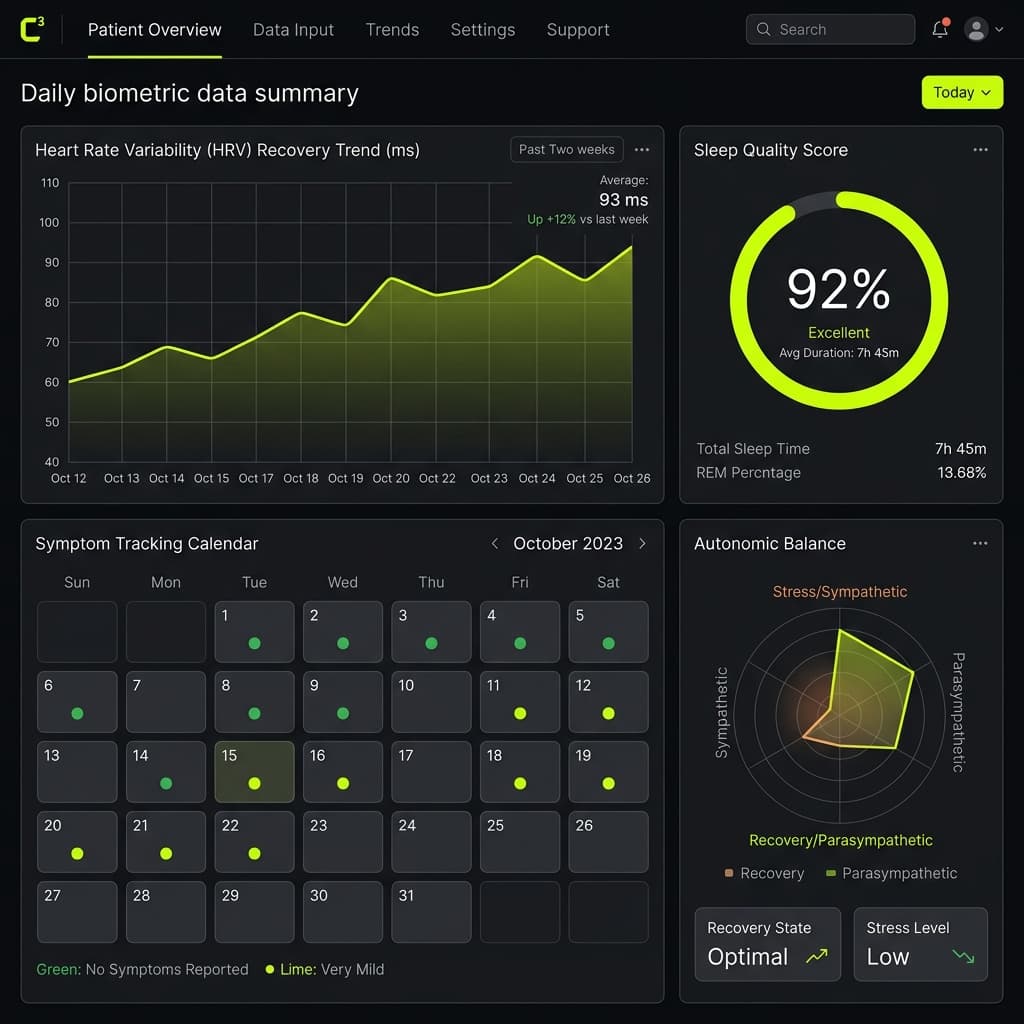
Symptoms, interventions, and measurements belong on one timeline so correlation is not mistaken for causation.
Start at your level
Start with the CIRS field guide and a symptom map you can use before buying anything.
Get the free guide
See the testing categories, decision points, and questions that can make a clinical visit more useful.
Open the roadmap
The paid guide turns scattered notes into a repeatable system for records, questions, and next steps.
See the guide
When education reaches its limit, compare licensed, prescriber-led pathways with clear affiliate disclosures.
Compare care paths
Need the math, not another article?
DoseCalc handles concentration and syringe-unit calculations with explicit inputs.
Get the field guide, evidence updates, and the corrections when the data changes.
Dose of Proof documents a personal experience and summarizes research. It does not diagnose, prescribe, or replace care from a qualified clinician. CIRS remains debated, and overlapping conditions require independent evaluation.